How shared routines shape everyday eating
How mornings influence food choices and pace. The beginning of your day sets the tone for everything that follows. When we start gently, without rush or pressure, our relationship with food becomes more thoughtful and intuitive. Mornings offer a quiet moment to reconnect with what nourishes us—not just physically, but emotionally.
A calm morning routine creates space for awareness. This is when we notice what our body truly needs, rather than what habit or stress demands. Small choices—a moment of stillness, a warm beverage, time to sit while eating—become the foundation for balanced eating throughout the day.
These reflective questions invite you to explore your own rhythm and patterns without judgment.
Take time to notice the pace, the mood, the energy. Not what it should be, but what it genuinely is. This awareness is the first step toward gentle change.
Is it a particular time of day? A specific setting? A person you're with? Identifying these moments helps you build more of them into your routine.
Structure isn't restriction—it's a gentle framework that creates space for ease. What routine, no matter how small, would bring you more calm?
Understanding your own patterns of adjustment helps you approach new routines with compassion rather than pressure.
Understanding how your energy shifts throughout the week allows you to eat in rhythm with what your body actually needs. Monday may feel different from Friday. Some days call for more nourishment; others for lighter meals. When we pay attention to these natural cycles, eating becomes less about rules and more about responsive care.
Your week has its own texture. Notice when you feel most energised, most depleted, most social, most introspective. Your food choices can honour these shifts rather than fight against them. This is the essence of flexible, sustainable eating—moving with your life, not against it.
Weekly rhythm also invites companionship. Shared meals on certain days, quiet meals on others. The pace of the week becomes a gentle map for when to nourish together and when to nourish yourself.
These moments are where gentle nutrition lives—not in perfection, but in the small, repeated choices that become natural.

Breakfast near light. A few minutes of stillness before the day begins. Fresh ingredients, a moment to taste, to be present. This isn't complicated—it's simply eating with awareness.

A simple list, thoughtfully made. When you write down what nourishes you, you begin to honour those choices. Planning becomes an act of self-care, not control.
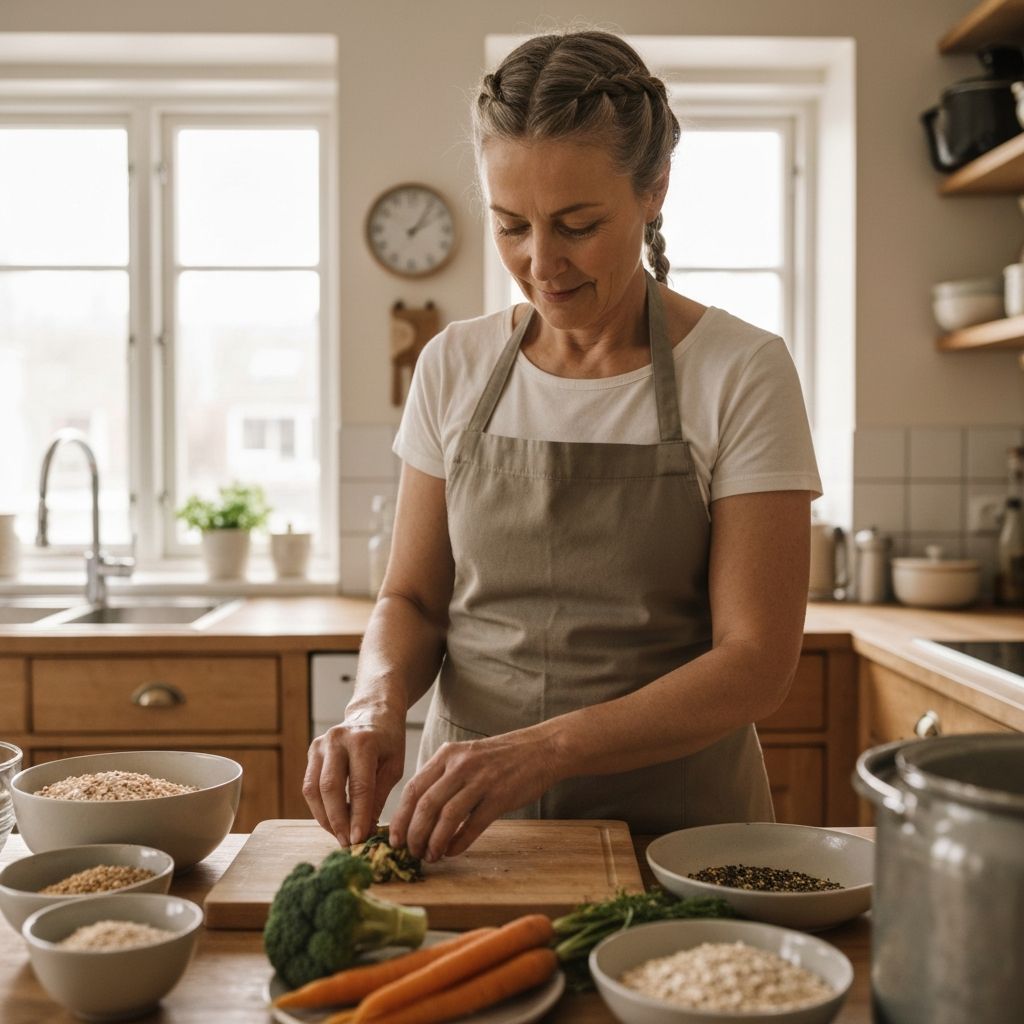
Hands in the work. Real food, real time. When we cook without rush, food tastes better and feeds us more deeply. This is where routine becomes ritual.

Movement that feels easy. Walking isn't punishment for eating; it's part of the rhythm of living well. Calm movement, calm eating—they support each other.

Food tastes different when shared. The conversation, the connection, the ease—these are as nourishing as what's on the plate. This is where eating becomes belonging.
Roteniaaf is a nutrition-focused advisory blog project dedicated to supporting people through dialogue, patience, and realistic routines. We believe that lasting change around food comes not from extremes, but from gentle, consistent choices made in conversation with yourself and those you trust.
We don't offer medical advice or treatment promises. Instead, we explore how everyday structure—morning routines, weekly rhythms, shared meals, quiet moments—shape a more balanced relationship with eating. Our focus is on awareness, adjustment, and mutual care.
Nutrition is deeply personal. What works is what you can sustain, what feels right for your life, what grows naturally from your own rhythm. We're here to help you discover that, at your own pace.
All information shared here is educational and conversational. It is not a substitute for professional medical advice. Please consult with qualified healthcare providers regarding your individual health needs and dietary concerns.
What you see shapes what you eat. When nourishing foods are visible and accessible, they become the natural choice. This isn't about rigid organisation—it's about creating an environment that supports calm, intuitive eating.
A well-organised kitchen removes unnecessary decisions and stress. Fresh ingredients at eye level. Simple meals easy to assemble. This structure isn't restrictive; it's liberating. It means you can eat well without constant deliberation.
Home organisation also invites presence. When your space feels calm and intentional, eating there becomes different. You slow down. You notice flavours. You enjoy food more fully. This is where environment supports wellbeing.
These principles guide sustainable, gentle nutrition:
Where to begin? Start with observation. For one week, simply notice your eating patterns without trying to change them. Notice when you feel calm, when you feel rushed. Notice what nourishes you and what doesn't. This awareness is the foundation.
Then, choose one small change. Not a diet. Not a restriction. One tiny routine that would make eating feel more intentional. Perhaps it's breakfast at the table instead of at your desk. Or a five-minute walk before lunch. Or one shared meal with someone you care about.
That's how sustainable eating begins—not with willpower, but with small, repeated acts of care toward yourself.
We'd like to hear from you. Whether you have questions, ideas, or simply want to share your own journey with gentle nutrition, we're here to listen.